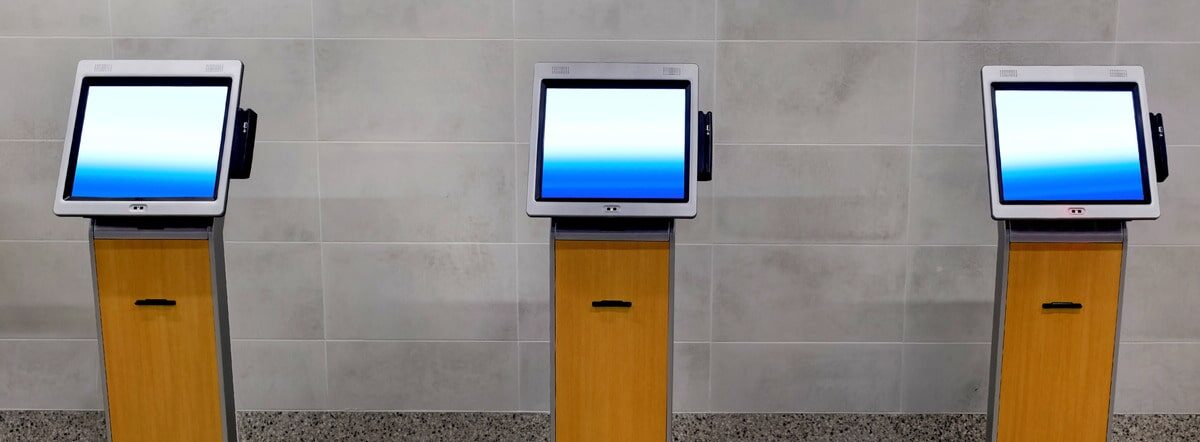
Student Management Systems (SMS) have become indispensable tools in modern education, streamlining administrative tasks and enhancing the overall learning experience. These comprehensive electronic visitor sign-in systems for schools offer a multitude of school management software features designed to support students, teachers, and administrators.
In this article, we take a look at the key student management system features that make pupil management systems so valuable in educational institutions.
How Student Management Systems Work in Practice
A student management system (SMS) or management information system (MIS) works as a central platform that brings together all key student, staff, and administrative data into one place. Instead of separate spreadsheets or disconnected systems, schools use a single database that is updated in real time.
In practice, this means that when information is updated in one area of the system, it is automatically reflected across all relevant modules such as attendance, safeguarding, reporting, and communication tools.
1. Centralised Student Records
All student information is stored in one secure system, including personal details, attendance history, behaviour records, and academic performance. This ensures staff always work from the same accurate data source, reducing duplication and administrative errors.
2. Real-Time Attendance and Performance Tracking
Teachers can record attendance and update academic progress directly within the system. This data is instantly available to other staff members, allowing schools to quickly identify trends such as declining attendance or performance issues that may require intervention.
3. Communication Between Staff, Parents, and Students
Student management systems often include communication tools that allow schools to send updates, alerts, and reports directly to parents and carers. This improves engagement and ensures that key information is shared quickly and consistently.
4. Data-Driven Decision Making
One of the most important functions of a student management system is its ability to generate reports and insights. Schools can analyse attendance patterns, behaviour trends, and academic performance to support strategic decision-making and targeted interventions.
5. Safeguarding and Compliance Support
Student management systems also play a key role in safeguarding by ensuring that critical student information is always accessible to authorised staff. This helps schools respond quickly to concerns and maintain accurate records for inspections and compliance requirements.
Student Enrolment and Admissions Management
One of the fundamental features of an Student Management System is its ability to manage student enrolment and admissions efficiently. From handling applications and registrations to tracking the status of admissions, these systems simplify the entire process. They often include tools for online application forms, automated responses, and integration with other systems for seamless data transfer.
Attendance Tracking
Accurate attendance tracking is crucial for both regulatory compliance and understanding student engagement. SMS platforms provide automated attendance recording through various methods, such as RFID cards, biometric systems, or manual entry. InVentry’s classroom sign-in feature of the student management system ensures that attendance data is accurate, easily accessible, and can be analysed to identify patterns and address issues promptly raised in the registration system for students.
Grade and Performance Monitoring
Keeping track of student performance is essential for academic success. Student management systems offer comprehensive gradebooks where teachers can enter and manage grades, assignments, and test scores. These systems also generate detailed performance reports, enabling teachers and parents to monitor progress and identify areas needing improvement.
Timetable and Scheduling
Creating and managing timetables can be a complex task, but SMS platforms simplify it significantly. These systems allow for the easy creation of class schedules, examination timetables, and event calendars. They also ensure that there are no clashes and that resources, such as classrooms and equipment, are optimally utilised.
Communication Tools
Effective communication between students, teachers, and parents is vital for a supportive educational environment. Student management software often include built-in messaging systems, email integration, and notification features. These tools facilitate timely communication regarding assignments, announcements, and other important information, ensuring everyone stays informed.
Library Management
Many SMS platforms include features for managing school libraries. These tools allow for the cataloguing of books, tracking of borrowings and returns, and managing fines for overdue items. A well-integrated library management system enhances the accessibility of resources and promotes a culture of reading and research among students.
Analytics and Reporting
SMS platforms offer powerful analytics and reporting tools that provide insights into various aspects of school operations. Administrators can generate customised reports on student performance, attendance trends, financial health, and more, enabling informed decisions and strategic planning.
Integration with Other Systems
A key advantage of modern student management software is its ability to integrate with other educational technologies and systems. Whether it’s linking with learning management systems (LMS), financial software, or external databases, this integration ensures a cohesive and efficient workflow, reducing redundancy and enhancing data accuracy.
Mobile Accessibility
Many SMS platforms offer mobile apps or responsive web interfaces, allowing students, teachers, and parents to access information and perform tasks on the go, enhancing convenience and engagement.
Student management systems are comprehensive tools that significantly enhance the efficiency and effectiveness of educational institutions. By automating administrative tasks, facilitating communication, and providing valuable insights through analytics, these systems support the academic journey of students and the operational excellence of schools. As technology continues to evolve, the features and capabilities of student management systems are likely to expand, further transforming the educational landscape.
Benefits of Student Management Systems
Student management systems help schools centralise data, improve efficiency, and strengthen safeguarding by bringing key information into a single platform. These benefits are reflected across a range of real-world deployments in schools and trusts using InVentry systems.
Improved Data Accuracy and Consistency
Centralising data helps reduce duplication and ensures staff always work from a single, up-to-date source of information. This improves reliability across attendance, safeguarding, and reporting processes.
School Case Study: Cams Lane Primary School
At Cams Lane Primary School, moving to an InVentry system helped replace manual processes with a more consistent digital approach. This improved the accuracy of records and ensured that key information was updated in real time and accessible to relevant staff across the school.
Reduced Administrative Workload
Automating attendance tracking, visitor management, and reporting reduces the administrative burden on school office teams, especially during peak times such as morning arrivals and visitor sign-in periods. Across multiple school deployments using InVentry systems, schools have reported reduced reliance on paper-based registers and manual logging, helping reception and administrative staff manage daily workflows more efficiently.
Improved Communication Across School Communities
Centralised systems help schools streamline communication between staff, parents, and students by consolidating messaging and reporting into one platform. In school environments using InVentry systems, centralised platforms support more consistent communication by reducing reliance on multiple disconnected tools such as email chains, paper notices, and separate systems.
Stronger Safeguarding and Visibility of On-Site Activity
Real-time visibility of who is on site is essential for safeguarding and emergency response. Centralised systems help ensure accurate records are always available to authorised staff.
School Case Study: Halesbury School
At Halesbury School, InVentry systems have been used to improve safeguarding visibility by centralising staff and visitor information. This allows staff to quickly access accurate on-site data when required, particularly in safeguarding or emergency situations.
Better Decision-Making Through Centralised Data
Access to reliable, real-time data enables schools to identify trends in attendance, behaviour, and performance, supporting more informed decision-making and targeted interventions. Across a range of school environments using InVentry systems, centralised data access has helped staff make more informed decisions by improving visibility of attendance and operational trends.
How InVentry can help
InVentry’s school management software significantly enhances the efficiency and effectiveness of educational institutions in student management processes. Contact our team today to discuss how our student management software can help your setting and students alike.
FAQs – Student Management Systems in Schools
What is a student management system used for in schools?
A student management system is used to centralise key school data such as attendance, behaviour, safeguarding information, and academic performance. It helps schools manage student records more efficiently and ensures staff are working from a single, accurate source of information.
How does a student management system improve school administration?
It improves administration by automating tasks such as attendance tracking, reporting, and record management. This reduces the need for manual data entry and allows school staff to focus more on teaching and student support.
Why do schools use student management systems?
Schools use student management systems to improve data accuracy, streamline communication, enhance safeguarding, and support better decision-making. They also help ensure compliance with reporting and inspection requirements by keeping records centralised and up to date.
How do student management systems support safeguarding?
They support safeguarding by providing real-time access to student records, attendance data, and behaviour information. This allows staff to quickly identify concerns and respond appropriately, particularly in situations where timely information is critical.
Are student management systems used in UK schools?
Yes, student management systems are widely used across UK schools and multi-academy trusts. They are considered a key part of school administration and safeguarding infrastructure, helping manage both operational and student-related data.
What data is stored in a student management system?
Typical data includes student personal details, attendance records, behaviour logs, academic performance, timetables, and safeguarding notes. Some systems may also include communication logs and reporting tools for staff and parents.
How do student management systems improve communication in schools?
They improve communication by centralising messaging between staff, students, and parents. This ensures that updates, reports, and important information are delivered consistently and quickly through one platform.
Do student management systems help schools make better decisions?
Yes, they provide reporting and analytics tools that help schools identify trends in attendance, behaviour, and academic performance. This allows leadership teams to make more informed decisions and implement targeted support where needed.