At InVentry, we often speak to organisations struggling with managing their office spaces effectively. Whether it’s meeting rooms, collaborative areas, or even desks, knowing who is using what space and when can be surprisingly tricky. That’s where our room booking system, Space Bookings, comes in.
From our experience helping schools, offices, and large organisations implement smart room booking systems, we’ve seen how a simple digital platform can remove confusion, save time, and give managers better insight into how their spaces are being used.
If you’re reading this blog, you’ll be wondering, what is a room booking system?
Simply put, a room booking system focuses on scheduling spaces for meetings. Later in this guide, we explain how it works in practice and how it differs from general room booking solutions.
This guide asks what is a room booking system is, how they work, and why they have become a vital tool for modern workplaces.
Table of Contents
- Understanding Room Booking Systems
- The Advantages of An Automated Room Reservation System
- Evidence from Research and Case Studies
- Choosing the Right Solution
- Room Booking System FAQs
Understanding Room Booking Systems
From our perspective at InVentry, a room booking system is much more than just a digital calendar. It’s a way to bring all your office space management into one place. With our meeting room booking platform, staff can check the availability of meeting rooms or collaborative areas in real time and book them instantly.
We’ve noticed that in offices without a centralised reservation system, teams often waste time hunting for free rooms or relying on spreadsheets that are quickly out of date. By centralising bookings, a room booking system not only reduces conflicts but also gives us data on how spaces are actually used. This helps managers make informed decisions about layouts, room assignments, and resource planning.
When we implement our room booking system, we focus on making it intuitive. The goal is for employees to reserve spaces quickly, without friction, while giving managers the tools to optimise the workplace strategically.
Meeting Room Scheduling Made Simple
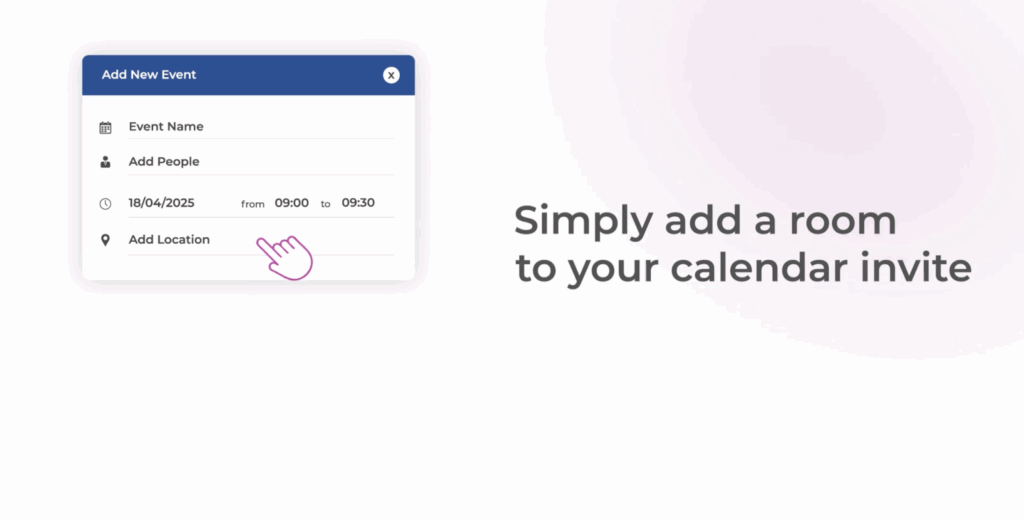
When we talk to our clients about meeting rooms, it’s clear how frustrating it can be without a proper reservation system. That’s why our meeting room booking solution is designed to simplify the process. Staff can see which rooms are free, book them in a few clicks, and get instant calendar confirmations.
We’ve seen first-hand that manual scheduling wastes time. According to research, employees spend hours each week coordinating meeting spaces. By automating this process, we help teams focus on their work rather than logistical headaches.
Our platform integrates seamlessly with tools like Outlook, Google Calendar, and Microsoft Teams. It also supports reminders and automatic room releases if someone doesn’t check in, which keeps spaces available for others. For offices managing hybrid work schedules, this has been a game changer.
How Office Space Allocation Has Evolved
From our perspective, office space allocation has come a long way. We used to see companies relying on spreadsheets, sticky notes, or even word-of-mouth to track who was using which rooms. The result was often double bookings, underused spaces (as much as 19% of rooms were underused according to research by FMLink), and frustrated employees.
With our room booking system, allocation is automated. Managers can see usage patterns across multiple floors or sites, and staff can reserve desks, collaboration zones, and meeting rooms in a few clicks. Integration with digital signage and mobile apps makes it easy for people to locate spaces quickly.
We’ve found that when offices adopt these systems, it’s not just about booking rooms. It becomes about using data to plan space effectively, support hybrid work, and improve the day-to-day experience of everyone in the office.
The Advantages of An Automated Room Reservation System
Automating the room reservation process brings clear benefits for offices across the UK. It prevents double bookings, lets staff check availability instantly, and keeps everyone updated in real time. Teams save time by avoiding manual scheduling, while managers gain insights into space use – helping underused rooms be repurposed.
According to the British Council for Offices, average space use is now around 66% instead of the historical 80%, reflecting flexible and hybrid work patterns with peaks mid‑week and lower overall density. Automated systems also support hybrid working, letting employees book rooms ahead of time, improving coordination, efficiency, and employee satisfaction by making meeting spaces easier to access. Here are some of the key benefits to implementing a room booking system:
1. You Can Manage Resources More Efficiently
At InVentry, we don’t just focus on meeting rooms. We see offices as a network of resources that need to be managed efficiently. That includes auditoriums, training rooms and collaborative zones.
By automating these processes, offices can run more smoothly. Cleaning schedules can be triggered automatically after room use, access permissions can be managed without manual intervention, and equipment can be allocated based on bookings. Our experience shows that offices with automated resource management see fewer errors, less wasted space, and a more predictable workflow. Managers can track usage trends and adjust allocations as needed, and employees always know what’s available to them.
This level of control also helps organisations plan for future growth. Knowing which areas are over or under-utilised allows us to make informed recommendations about office layouts and expansion needs.
2. There Is Greater Support for Collaboration in the Workplace
Collaboration is at the heart of most workplaces today. From our conversations with clients, we know that teams often struggle to find spaces for brainstorming or group work. That’s why our space and room booking system supports collaborative space management alongside traditional meeting room booking.
Employees can search for available collaborative areas and reserve them quickly, allowing teams to work together without interruptions. Some of our clients also use our space reservation system to manage hot-desking and shared workspaces, making it easy for hybrid teams to coordinate who is in the office and where they will sit.
Integration with tools like Microsoft Teams and Slack means that room booking and team communication happen in one ecosystem. This streamlines workflows and encourages collaboration rather than letting scheduling conflicts get in the way.
3. Space Reservations Are Made Easier for Employees
From the user’s point of view, the process should be effortless. With our space booking system, employees can search for a space by time, size, or required equipment, reserve it in seconds, and receive an instant confirmation. Automated notifications and reminders ensure users are alerted about upcoming meetings, room changes, or cancellations, so no one misses a booking. Whether on site or arranging meetings from home in advance, spaces can be booked from any location, making planning seamless.
On arrival, staff can check in using digital displays or mobile apps. If someone doesn’t show up, the system automatically releases the space so others can use it, keeping offices running efficiently and reducing wasted time – sometimes saving up to 30 minutes per day.
Our platform also includes robust user access control, allowing organisations to manage permissions and access levels for different teams or departments. Only authorised individuals can book or manage certain rooms or resources, ensuring sensitive spaces remain secure and preventing accidental double bookings.
We’ve seen these features make a real difference in busy workplaces. Instead of worrying whether a room is available or juggling conflicting bookings, employees can focus on the work itself, confident that the system is managing the details in the background.
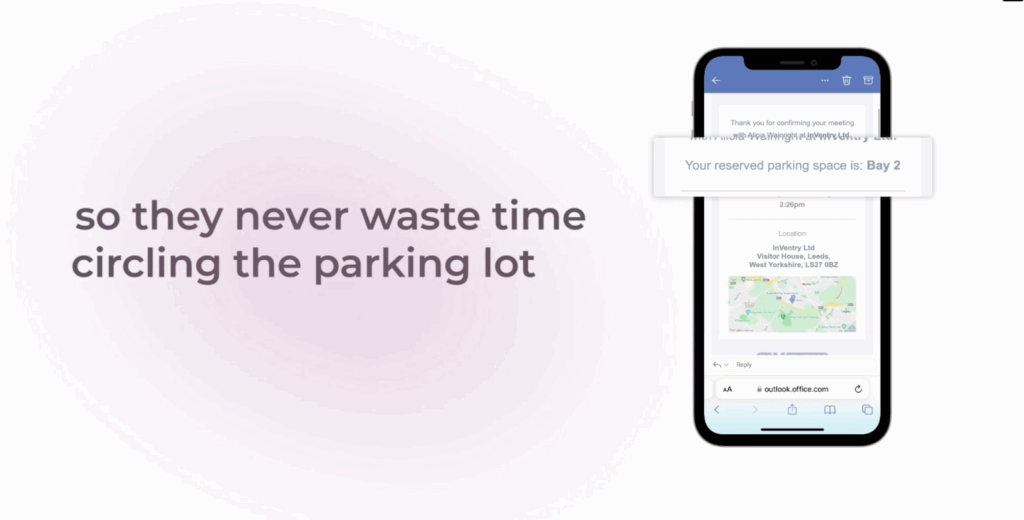
4. It’s Not Just Rooms That Can Be Booked at You Can Allow Visitors to Book Car Park Spaces And Other Resources
A modern room booking system goes far beyond simply reserving meeting rooms or classrooms. Today’s platforms enable organisations to manage a wide range of resources, from car park spaces and hot desks to projectors, conference phones, or even specialised equipment. This level of flexibility allows both staff and visitors to plan their day with confidence, avoiding double bookings or unnecessary delays.
By centralising all bookings in one system, organisations can streamline operations and reduce administrative burden. Staff no longer need to chase around to confirm availability, while visitors benefit from a smooth, hassle-free experience. The result is not just better resource utilisation, but also a more efficient, well-organised workplace where every space and asset is used to its full potential.
5. Integrations Offer Much Flexibility & Customisation
A robust room booking system can seamlessly integrate with your existing calendars, email systems, and other workplace software. This interoperability allows you to automate notifications, sync schedules across multiple platforms, and tailor the system to your organisation’s specific needs. Whether it’s adjusting booking permissions, creating customised approval workflows, or linking with access control systems, these room booking system integrations empower organisations to create a solution that fits perfectly into their operational ecosystem.
6. Analytics & Reporting
Beyond simply scheduling rooms, modern booking systems come equipped with powerful analytics and reporting tools that give organisations a complete view of how resources are being used. You can track utilisation rates, identify peak times, and spot underused rooms, equipment, or other assets.
These insights go far beyond operational efficiency – they help you make strategic decisions that directly impact your organisation’s room booking system investment ROI. By understanding which spaces or resources are most and least used, you can reallocate or optimise them, reducing wasted expenditure and ensuring every pound spent delivers maximum value.
Whether it’s adjusting staffing levels, planning for future expansion, or reducing unnecessary overheads, accurate data from your booking system allows you to make informed, evidence-based decisions. In short, analytics turn scheduling into a strategic tool, helping you save money, improve resource allocation, and get a tangible return on your technology investment.
Evidence from Research & Case Studies
Our recommendations are supported by research. Studies have shown that inefficient meeting spaces and poor room management can significantly affect productivity. For example, research by Jabra into workplace efficiency highlights that employees can lose hours each week simply coordinating space which can be further hindered by ineffective technology:
“to achieve more through collaboration and they must do this whilst ensuring employees don’t lose time trying to use ineffective technology. Otherwise, organisations are wasting resources each time a worker fails to conduct a conference call or meeting.”
Other studies have examined how automated scheduling and occupancy measurement improve efficiency, showing that organisations can make better use of existing resources, reduce costs and plan for future needs more effectively. Research from the American Journal of IR 4 0 and Beyond, states:
“Automation can cut operational costs by 15–20% while optimising workflows and decision-making processes”
At InVentry, we use these insights to help our clients make the most of their office environments. By combining technology with room booking best practices, we ensure spaces are used effectively, staff are supported, and the office runs as smoothly as possible.
Choosing the Right Solution
When clients ask us which system to choose, we always emphasise that it’s about more than just software. The best solutions integrate with existing calendars and communication tools, work on mobile devices, and give managers clear insights into space usage – something our room booking solution offers.
Our Space Bookings platform is designed to meet these needs. It is intuitive for staff, flexible for hybrid workplaces, and gives managers detailed reporting on how spaces are used. For offices looking to streamline room reservations and improve resource management, it’s a solution we’ve seen make a significant difference.
We always recommend thinking about your workflow, your office layout, and how your teams work together when selecting a solution. Our space booking system that fits your organisation’s culture and processes will be far more effective than one that doesn’t.
Conclusion
So what is a room booking system? From our perspective at InVentry, a room booking system is no longer a luxury – it’s a necessity for modern workplaces. It goes beyond simply reserving meeting rooms, supporting collaborative work, resource management, and overall office efficiency.
We’ve seen firsthand how offices benefit from better space planning, improved productivity, and a smoother employee experience. Automating room reservations, tracking usage, and integrating with existing systems transforms the way offices operate.
For more information on how our Space Bookings platform can help your organisation, explore our Space Bookings System or book a demo and see how we support offices in managing their spaces more efficiently.
Room Booking System FAQs
Who can use a room booking system?
Room booking systems are suitable for a variety of users within an organisation. Employees and teams can quickly find and reserve available meeting rooms or desks, avoiding the frustration of double bookings. Office managers and facilities teams can monitor room utilisation, resolve scheduling conflicts, and optimise resources more effectively. Some systems also allow visitors or contractors to make temporary bookings, giving them controlled access to the spaces they need.
Can a room booking system integrate with other software?
Yes. Most modern room booking systems integrate with popular office software, including Microsoft Outlook and Teams, Google Workspace, access control systems, and digital signage. This means room availability can be displayed on interactive panels, calendars stay synchronised, and security protocols are maintained automatically, providing a seamless experience across the organisation.
Is InVentry’s room booking system suitable for all types of organisations?
Room booking systems are highly versatile. Our solution can benefit large corporate offices with multiple meeting rooms, co-working spaces offering flexible desk arrangements, or educational institutions managing classrooms and study areas. Any organisation that needs to manage shared spaces efficiently can benefit from adopting a room booking system.