
Improving attendance in secondary schools isn’t just a box-ticking exercise; it’s a fundamental pillar of social mobility. For UK secondary leadership teams, the stakes are high. When students aren’t in the classroom, academic outcomes stall, the disadvantage gap widens, and the risk of long-term disengagement becomes a reality.
While we’ve seen slight improvements recently, persistent absence remains a stubborn hurdle. With roughly 17% secondary pupils missing significant portions of the 2024/25 academic year, the need for robust, leadership-driven intervention has never been more urgent.
Drawing on research and our daily work supporting school leaders, we’ve identified actionable strategies to move the needle on attendance in secondary schools.
Table of Contents
- The National Context: Attendance, Accountability and Ofsted Expectations
- Embedding a Classroom Sign In System at the Heart of Your School Attendance Strategy
- Aligning Your Attendance Policy Review with Digital Practice
- Utilise Data and Digital Registration Systems for Insight
- Strengthening Parental Confidence Through Transparent Attendance Processes
- Connecting Attendance, Safeguarding and Pastoral Support
- How to Implement Strategies for Improving Attendance in Secondary Schools
- How to Monitor Success Following Implementation
- Conclusion
- FAQs
The National Context: Attendance, Accountability and Ofsted Expectations
The statutory guidance Working Together to Improve School Attendance sets clear expectations for secondary schools. Leaders are required to take a proactive approach to monitoring, reducing unauthorised absences and intervening early where patterns emerge. Attendance is framed as everyone’s responsibility, but with clear oversight from senior leaders.
At the same time, Ofsted places attendance firmly within its inspection framework under “behaviour and attitudes”. Inspectors evaluate trends in overall attendance, levels of persistent absence and how effectively leaders act on concerns. Secondary schools must demonstrate that their school attendance strategy is systematic, evidence-informed and embedded across the organisation.
In secondary settings, the complexity of daily timetables makes accurate monitoring even more critical. A pupil may attend morning registration but miss specific subject lessons later in the day. Without a robust digital registration system at classroom level, such patterns can go unnoticed until absence becomes entrenched.
According to the DfE attendance data, in 2024 there were “17000 children (2.3% of pupils) who missed at least half of their lessons and classed as severe absentees”, so reducing school absences therefore requires both cultural commitment and operational precision. Leadership teams must ensure that systems support their strategy, rather than relying on fragmented or delayed processes.
Embedding a Classroom Sign In System at the Heart of Your School Attendance Strategy
A strong school attendance strategy should begin with accuracy. If data is incomplete or delayed, interventions will always be reactive.
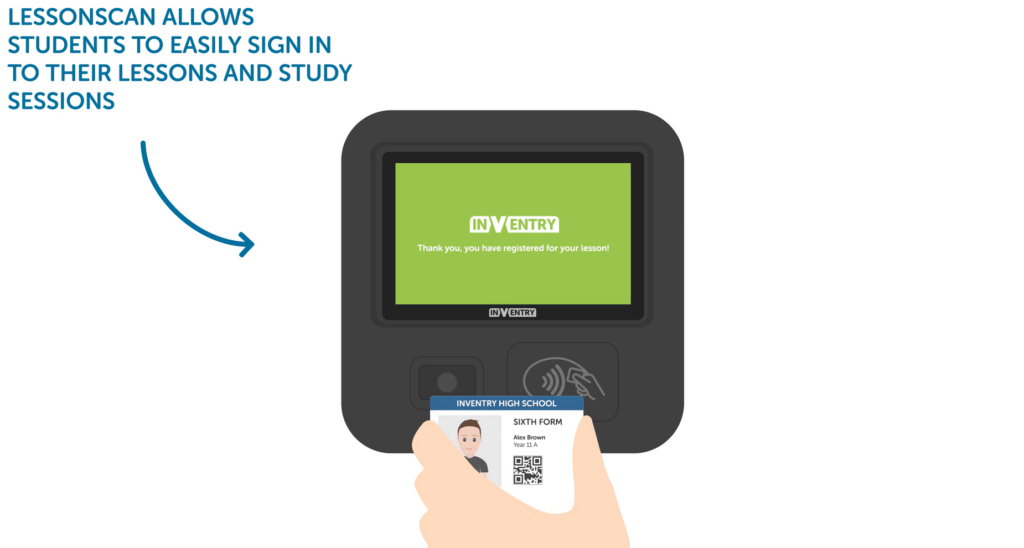
In secondary schools, where pupils move between multiple lessons daily, classroom-level registration is essential. A digital classroom sign in system ensures that attendance is captured at the point of learning, not retrospectively. This provides an accurate picture of pupil presence in each lesson, rather than simply at the start of the day.
Embedding such systems across departments supports consistency. Teachers register pupils electronically at the beginning of each lesson, with data updating centrally in real time. Senior leaders and attendance officers can immediately identify pupils missing from specific sessions, patterns of lesson avoidance or emerging trends in particular year groups.
This level of granularity strengthens the attendance leadership strategy. Leaders can analyse whether absence is concentrated in certain subjects, linked to timetable positioning, or associated with specific cohorts. Early identification prevents patterns from escalating into persistent absence.
A classroom sign in system also reinforces accountability. When registration is embedded into the structure of every lesson, attendance becomes part of teaching and learning rather than an administrative afterthought. Staff understand their role in reducing unauthorised absences, and pupils recognise that absence from individual lessons is visible and addressed.
Research on habit formation suggests that early intervention is critical. The National Foundation for Educational Research has highlighted that absence can become self-reinforcing. Pupils who miss lessons may feel anxious about returning, leading to further absence. Real-time classroom data enables staff to intervene after the first missed session rather than waiting for a pattern to develop.
For secondary leaders focused on improving attendance in secondary schools, investing in a reliable classroom sign in system is not simply a technological upgrade. It is a strategic decision that underpins every other intervention.
Aligning Your School Attendance Policy Review with Digital Practice
An attendance policy review must reflect how attendance is actually captured and monitored within the school.
Too often, policies describe processes that rely on traditional morning registration alone. In modern secondary settings, where digital registration systems operate at classroom level, the policy should articulate how lesson-by-lesson attendance is monitored, escalated and recorded.
A meaningful attendance policy review should consider how data from the classroom sign in system feeds into safeguarding alerts, parental communication and leadership reporting. If a pupil misses two consecutive lessons without explanation, what is the immediate response? Who is notified? How quickly are parents contacted?
Clear protocols reduce ambiguity and ensure consistency across departments. They also strengthen compliance with statutory guidance.
The policy should define how unauthorised absences are identified and coded within the digital system. Accurate coding is essential, particularly in relation to medical evidence and term-time holidays. Inconsistent practice can distort data and weaken the school’s ability to demonstrate impact during inspection.
Aligning policy with digital practice also supports staff confidence. Teachers need clarity on expectations around lesson registration, late arrivals and amendments. When policy and systems work in harmony, attendance processes become streamlined and robust.
An attendance policy review that explicitly integrates classroom sign in processes demonstrates that the secondary school’s attendance leadership strategy is both strategic and operationally sound.
Using Real-Time Data from Digital Registration Systems to Intervene Early
Data is most powerful when it is timely.
A digital registration system that updates instantly allows attendance teams to respond on the same day. If a pupil fails to sign in to a particular lesson, pastoral staff can investigate immediately. This might reveal timetable confusion, emerging anxiety or deliberate lesson avoidance.
In secondary schools, patterns often emerge at subject level. For example, absence from mathematics lessons may indicate academic anxiety, while absence from physical education could relate to self-esteem concerns. Classroom-level data makes these patterns visible.
Integrated systems such as our Pupil Management solution at InVentry are designed to centralise attendance information and connect it with wider pastoral records. By capturing sign in data at classroom level and linking it with pupil profiles, leadership teams gain a comprehensive view of engagement and safeguarding. Explore how our digital registration system supports attendance monitoring and classroom accountability
Real-time dashboards also support senior leaders in identifying vulnerable groups. Persistent absence thresholds can be tracked automatically, triggering early meetings before pupils reach the 10 per cent benchmark.
Reducing school absences requires this proactive stance. Waiting for half-termly reports is no longer sufficient. Digital registration systems provide the immediacy required to prevent absence from becoming habitual.
Additional Reading: Learn how we helped Trinity School in Sevenoaks track student attendance easily
Strengthening Parental Confidence Through Transparent Attendance Processes
Parents and carers are more likely to engage positively when attendance systems are transparent and consistent.
A classroom sign in system enhances communication. When absence from individual lessons is recorded accurately and promptly, parents can be notified quickly. This reduces confusion and prevents misunderstandings about where a pupil was expected to be.
Clear communication also reinforces the school’s commitment to safeguarding. In large secondary settings, ensuring every pupil is accounted for in every lesson is critical. Real-time visibility reassures parents that the school has effective oversight.
Research on parental engagement indicates that timely communication improves collaboration. Rather than contacting families only when absence becomes severe, schools can initiate supportive conversations at an earlier stage.
For leadership teams developing strategies for reducing persistent absenteeism, strengthening parental trust is a key component. Digital systems that provide reliable, transparent data underpin this trust.
Connecting Secondary School Attendance, Safeguarding and Pastoral Support
Attendance is inseparable from safeguarding.
In secondary schools, unexplained absence from specific lessons can indicate risk. A pupil who signs in during morning registration but fails to attend afternoon sessions may be vulnerable. Without a classroom sign in system, such gaps may go unnoticed.
Integrating attendance data with safeguarding systems ensures that concerns are flagged immediately. Pastoral teams can cross-reference attendance with behaviour logs, wellbeing records and SEND information to build a holistic understanding.
Research consistently highlights the importance of belonging and engagement. Pupils who feel disconnected are more likely to disengage from learning and, ultimately, from school. A robust attendance leadership strategy therefore combines digital precision with relational support.
When classroom sign in systems provide accurate data, staff can focus on meaningful intervention. Mentoring, academic catch-up and wellbeing support can be deployed swiftly and proportionately.
Improving attendance in secondary schools is not about surveillance. It is about ensuring that every pupil is seen, supported and safe throughout the school day.
How to Implement Strategies for Improving Attendance in Secondary Schools Across the UK
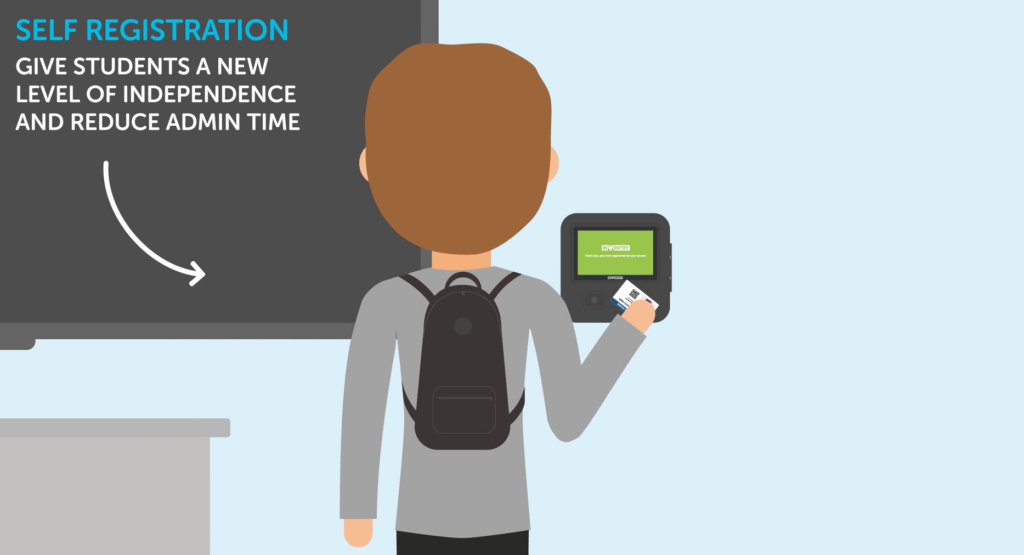
Improving attendance in secondary schools isn’t just about setting targets – it’s about embedding systems and routines that make tracking, reporting and intervention reliable, real‑time and embedded in the everyday life of the school. Modern digital systems such as our ClassMark Classroom Attendance System enables school leadership teams to move from manual registers to automated, accurate, lesson‑level attendance data, freeing up valuable time for teaching and pastoral support.
1. Begin With Clear Leadership Goals
Before deploying technology, be clear about what you want to achieve. Focus on reducing overall absence and persistent absence. Improve lesson‑level attendance accuracy and punctuality. Support early intervention for vulnerable pupils. Set measurable targets so the leadership team knows what success looks like.
2. Conduct a Needs Assessment
Review how attendance is currently captured. Identify gaps, such as lesson‑level absences or after lunch. Check what hardware you already have, like tablets or scanners. This helps you plan how the new system should be set up.
3. Choose and Configure the System
Select a digital classroom attendance system that connects to your MIS. Ensure it allows students to sign in easily and has customisable settings for late arrivals. Configure sign‑in times, integrate scanning hardware, and set permissions for staff and leaders. ClassMark, for example, offers real‑time syncing and workflows tailored to your school’s needs.
4. Train Staff and Communicate Expectations
Train teachers and attendance officers to use the system confidently. Show how real-time data supports early intervention and reduces admin. Explain to pupils and parents how attendance will be recorded and why it matters.
5. Pilot in Targeted Areas First
Start with a few year groups or subjects where absence is highest. Test network reliability, scanning, and reporting. Use feedback to refine settings before rolling it out across the whole school.
6. Deploy School‑Wide and Monitor Data
Once the pilot works, scale the system to all classes. Monitor attendance daily using dashboards and automated reports. Set alerts for early signs of absence. Real‑time visibility allows pastoral teams to respond immediately, rather than waiting for weekly reports.
7. Embed in Leadership and Pastoral Processes
Use attendance data in weekly leadership meetings. Ensure alerts trigger defined actions, such as tutor check-ins or pastoral reviews. Track trends to inform whole‑school strategy. Automated reports give leaders immediate insight into attendance challenges.
8. Review, Improve, and Iterate
Implementation is ongoing. Review data regularly and update policies and staff training as needed. Keep parents informed with clear reports and alerts. Continuous improvement ensures the system stays effective and supports school priorities.
How to Monitor Success Following Implementation
Once a digital classroom attendance system is in place, monitoring success is key. Start by tracking overall attendance and persistent absence rates regularly. Compare these figures with your baseline data from before implementation to see measurable improvements.
Use real-time dashboards to spot trends at lesson, subject, year group, and pupil level. Look for reductions in lesson‑level absences and late arrivals. Pay attention to patterns that might indicate emerging issues, such as repeated absences in specific subjects or groups.
Review the impact of interventions triggered by the system. Are pastoral check-ins, parental communications, or mentoring sessions preventing further absence? Collect feedback from staff on usability and efficiency.
Finally, report findings to senior leadership and governors. Regularly evaluate KPIs, adjust policies, and refine processes. Monitoring success is ongoing. By combining data analysis with responsive action, schools can ensure attendance improvements are sustained and that every pupil stays engaged in learning.
Conclusion: A Strategic, System-Led Approach to Improving Attendance in Secondary Schools
Improving attendance in secondary schools requires more than policy updates or awareness campaigns. It demands a coherent attendance leadership strategy supported by accurate, real-time systems.
By embedding a classroom registration system across departments, aligning policy with digital practice, using real-time data to intervene early, strengthening parental communication and integrating attendance with safeguarding, leadership teams can drive sustained improvement.
Additional Reading: Can Technology Help You Enforce a Better School Attendance Policy?
The national context, including expectations from Ofsted and the Department for Education, makes attendance a core leadership responsibility. Yet the true motivation goes beyond accountability. Attendance is fundamental to equity, attainment and pupil wellbeing.
When systems and strategy align, reducing school absences becomes achievable, measurable and sustainable.
For more information on how our Classroom sign in solution can help your school, explore our ClassMark System or book a demo and see how we support school leaders to improve registration processes and thus pupil attendance.
Frequently Asked Questions
How does a classroom sign in system improve attendance?
A classroom sign in system captures attendance at the start of every lesson, not just during morning registration. This provides real-time visibility of pupil presence and allows schools to identify lesson-level absence quickly. Early identification supports faster intervention and reduces the risk of persistent absence developing.
What is the difference between daily registration and digital classroom registration?
Daily registration typically records attendance once or twice per day. Digital classroom registration records attendance for each lesson. In secondary schools, this provides a far more accurate picture of engagement and helps identify patterns of subject-specific absence.
How can digital registration systems help reduce unauthorised absences?
Digital registration systems ensure accurate coding and immediate recording of absence. Automated alerts and central dashboards enable attendance teams to contact families promptly and clarify reasons for absence before it becomes prolonged or habitual.
What should be included in an attendance policy review?
An attendance policy review should examine expectations, coding procedures, escalation pathways, parental communication and how digital systems are used. It should align with statutory guidance and reflect the practical operation of classroom registration.
What is the first step in improving attendance in UK secondary schools?
The first step is analysing accurate, lesson-level data to understand patterns and identify vulnerable pupils. From there, leadership teams can refine their school attendance strategy, strengthen policy and implement targeted interventions supported by reliable digital registration systems.