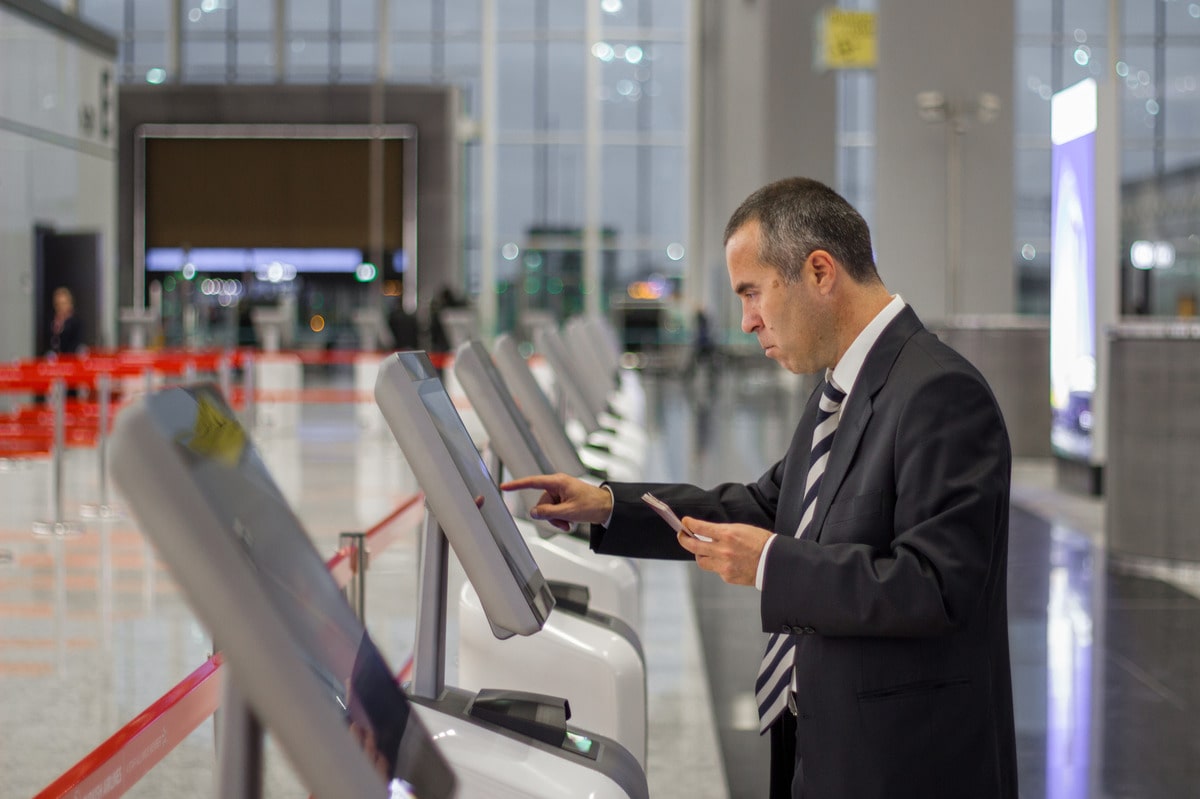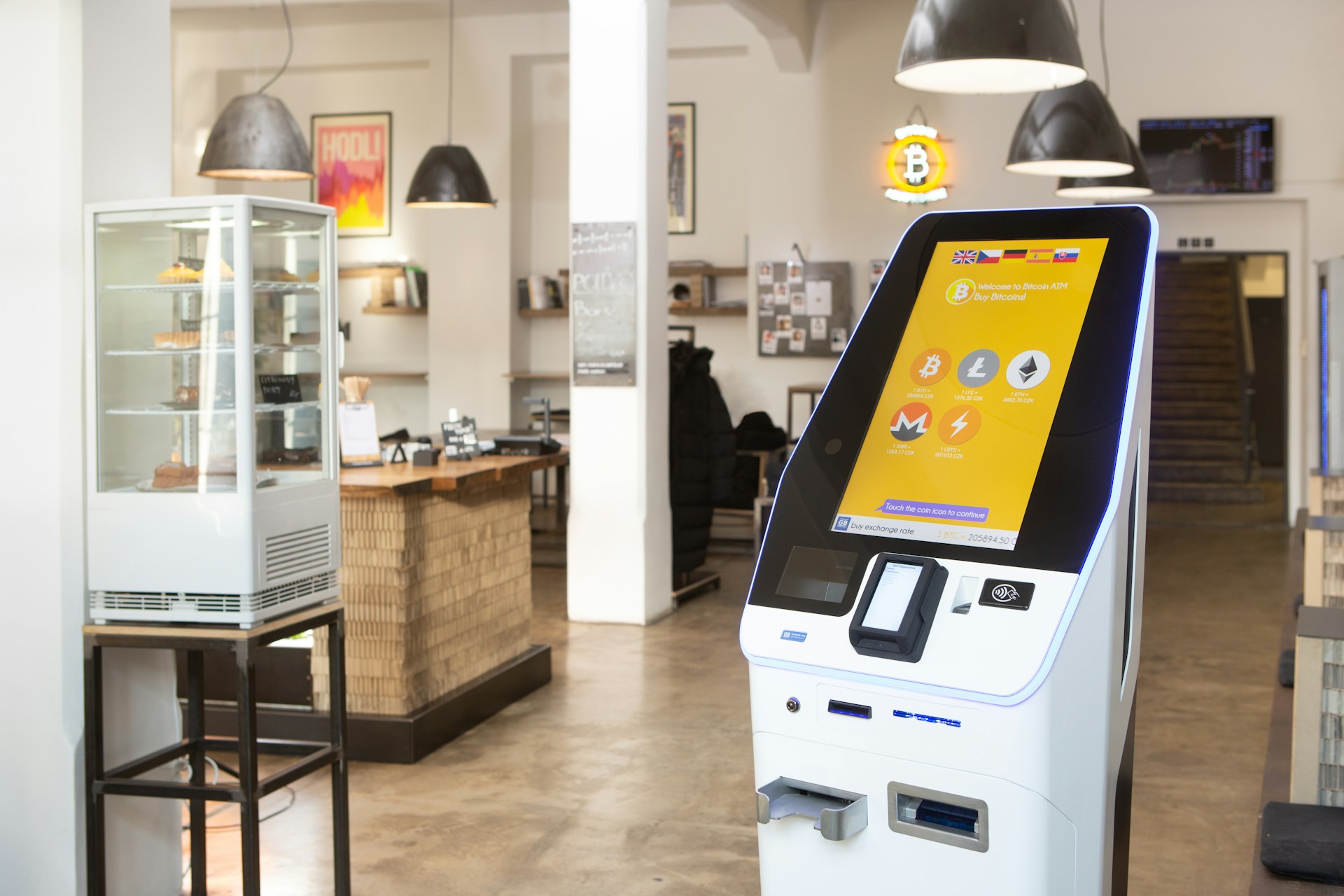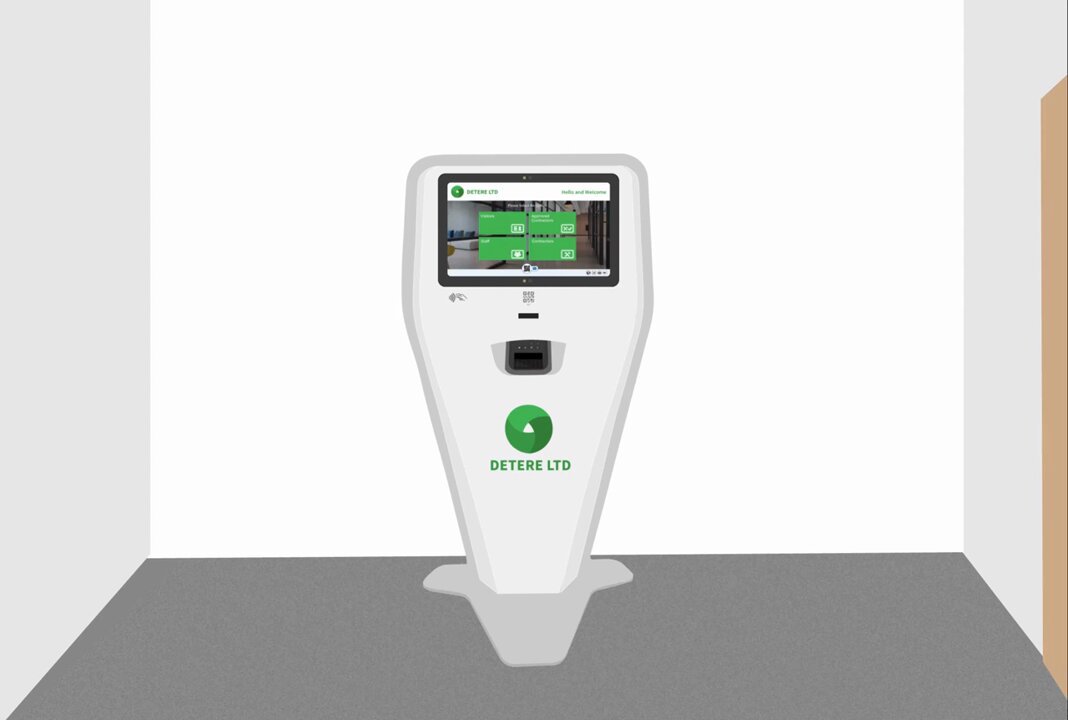
In recent years, the healthcare sector has been steadily embracing digital transformation. One of the most significant innovations reshaping how patients engage with healthcare services is the introduction of patient registration kiosks. These patient self check-in kiosks are redefining the traditional front-desk process, replacing paper forms and manual data entry with intuitive, check in technology.
For clinics, hospitals and other care centres – including both private and NHS – this shift promises faster, more streamlined check-ins, improved data accuracy and enhanced patient satisfaction. For patients, it offers convenience, privacy, and a smoother start to their visit. In this post, we’ll explore how patient registration kiosks are transforming healthcare check-ins, examine their benefits and challenges, and consider what the future may hold.
Table of Contents
- The Rise of Digital Patient Check-In: Why It Matters
- What Is a Patient Registration Kiosk?
- How Patient Self Check-In Kiosks Work in Practice
- The Impact on Patient Experience and Clinic Efficiency
- Benefits for Healthcare Providers and the NHS
- Challenges and Considerations
- Future Trends in NHS Patient Registration Technology
- Conclusion
- FAQs
The Rise of Digital Patient Check-In: Why It Matters
Healthcare today faces mounting pressures: growing patient volumes, constrained resources, and rising expectations around fast, efficient, and patient-friendly services. Traditional check-in methods – long queues, manual forms, reception bottlenecks – no longer meet modern demands.
Digital patient check-in through sign in kiosks offers a timely solution by enabling clinics and hospitals to modernise the admission process. This shift aligns with a broader global trend toward digitisation in health services, including electronic health records (EHRs), remote appointment scheduling and telemedicine.
By adopting technology such as check in kiosks, healthcare providers can reduce administrative burden, cut down waiting times, and deliver better service to patients – all while maintaining data privacy and regulatory compliance.
What Is a Patient Registration Kiosk?
A patient registration kiosk is a touchscreen-enabled terminal positioned in reception areas of clinics, hospitals or other medical facilities. These patient sign-in kiosks are completely customisable and can let patients self-register, confirm appointments, update personal, sign consent forms, and sometimes even complete payments – all without interacting directly with front-desk staff.
These kiosks may feature intuitive user interfaces, barcode or QR-code scanning (for appointment letters), digital signature capabilities, multi-language support and accessibility adjustments (e.g., for visually impaired users).
In many implementations, once a patient completes check-in on the kiosk, their arrival is automatically updated in the patient administration/appointment management system – reducing manual work and helping the clinical team prepare for the patient’s visit.
How Patient Self Check-In Kiosks Work in Practice
When a patient arrives at a clinic or hospital, instead of forming a queue at reception, they approach the kiosk. The process typically follows these steps:
- The patient interacts with the touchscreen interface and either enters their registration details manually or scans a barcode/QR code from their appointment letter.
- The system verifies their identity (through patient number, date of birth, reference number, or other identifiers). Some systems may also integrate biometric or secure digital verification tools.
- The patient can confirm or update personal information: address, contact details, insurance or payment data, etc. Some kiosks even let patients complete consent forms, update demographics, or supply additional medical history.
- Once confirmed, the kiosk marks the patient as “arrived” in the hospital’s or clinic’s patient administration system (or Appointment/Flow Manager), triggering workflows for staff: notifying clinicians, updating waiting-room displays, or sending messages if needed.
- Optionally, payment or copayment can be processed at the kiosk, where supported, further streamlining the visit process.
The Impact on Patient Experience and Clinic Efficiency
Faster, Smoother Check-Ins and Reduced Waiting Times
One of the most immediately noticeable benefits of patient self-check-in kiosks is a significant reduction in wait times. Studies and case-reports indicate that kiosks can reduce queue times and streamline patient flow, helping patients get registered and into their appointments more quickly.
Rather than waiting to speak to staff or fill out lengthy paper forms, patients experience a faster, more autonomous check-in process. This speed not only reduces frustration and perceived wait times but also lowers stress for patients – especially in busy clinics or hospitals.
In fact this is backed up by a recent article in the Library of Medicine that showed:
“data suggests facilities using kiosks may see wait times reduce by nearly 57% compared to those relying solely on manual methods”.
Enhanced Data Accuracy and Security
Manual data entry – whether by the patient on paper forms or by a receptionist – carries a risk of errors. Mistyped names, incorrect insurance numbers, illegible handwriting; each can lead to problems later: appointment mix-ups, billing errors, or delays in treatment.
By enabling patients to input or confirm their own details directly into a digital system, patient registration kiosks reduce those risks. Data is captured and transmitted electronically, minimising transcription errors and ensuring records are up to date.
Moreover, self-check-in kiosks offer greater privacy: sensitive personal details are entered privately on screen rather than spoken aloud at a busy reception desk – which many patients value.
Improved Patient Satisfaction and Experience
Patient experience is not just about clinical care – it begins the moment someone walks through the door. A smooth, efficient check-in contributes to a positive first impression. For many patients, check in kiosks provide a sense of control and autonomy. They avoid crowded reception desks, long queues and can complete registration at their own pace. This sense of control often leads to higher patient satisfaction scores – an increase as high as 12% according to the Southern Medical Journal.
Additionally, for patients who might feel stressed, anxious, or unwell on arrival, reducing waiting times and contact with multiple people can ease discomfort – contributing to a calmer, more dignified start to their visit.
Less Burden on Administrative Staff – Focus on Care, Not Paperwork
Front-desk and administrative teams in clinics and hospitals frequently face heavy workloads: answering phone calls, managing registrations, dealing with payments, handling paperwork – check in kiosks relieve much of this routine burden.
Automating registration and check-in allows staff to refocus on patient care, respond to more complex enquiries, support vulnerable patients, or handle tasks that require empathy and human judgement. This not only boosts productivity but enhances job satisfaction for staff.
For busy NHS practices or clinics, this shift can be particularly valuable – especially as demand increases and resources remain constrained.
Paperless, Digital Workflow and Better Record-Keeping
The shift to digital check-in supports a wider move away from paper-based systems. Digital patient sign-in kiosks allow for instant data capture, encrypted storage, and integration with Electronic Health Record (EHR) systems. This improves record-keeping, reduces physical paperwork, and supports audit trails.
Digital records are also easier to update, share across departments, and maintain over time – making follow-ups, referrals and record access more efficient for the provider and more transparent for the patient.
Benefits for Healthcare Providers and the NHS
Implementing patient registration kiosks offers a range of benefits for providers and institutions, particularly in high-volume, resource-constrained systems such as the NHS.
Firstly, kiosks help manage administrative load. In busy hospitals or outpatient clinics, having patients check themselves in reduces bottlenecks, freeing up reception staff and reducing staffing pressure, especially during peak hours. This allows health care practices to maintain quality service despite high demand.
Secondly, the improved data accuracy and real-time updates to patient administration systems (PAS) or appointment systems enhance operational reliability. Mistakes from manual entry or lost paperwork are much less likely, reducing chances of misbooked appointments, insurance errors or misplaced records.
Thirdly, as clinics and hospitals adopt kiosk-based digital check-in, they move closer to fully integrated, paperless workflows. This not only brings environmental benefits (less printing/paper waste) but also aligns with broader NHS digital transformation goals.
Finally, with patients enjoying a smoother, more modern experience, positive feedback and increased satisfaction can strengthen trust in services – an important factor for public health institutions aiming to offer high-quality care to all.
Additionally, when used alongside remote or mobile check-in options (for example as patients arrive on site or even from outside the building), kiosks contribute to flexible, future-proof patient registration strategies. intouchwithhealth.co.uk
Challenges and Considerations
While the benefits are substantial, adopting patient registration kiosks is not without challenges.
One major consideration is accessibility. Not all patients may be comfortable using touch-screens – older patients, those with disabilities, visual impairment, or low digital literacy might struggle. For such patients, alternative support or assisted check-in processes remain essential. Some kiosk providers address this with height-adjustable screens, screen readers or multi-language interfaces.
Another challenge is integration with existing IT and health record systems. For full benefit, kiosks must connect to appointment scheduling systems, patient administration systems (PAS) or EHRs to update records in real time. Without smooth integration, data may remain siloed, undermining the advantages of automation.
Data security and privacy are also vital. Healthcare data is extremely sensitive – implementing kiosk systems must comply with relevant data protection and patient confidentiality regulations. Robust encryption, secure authentication mechanisms and careful data governance are required to maintain trust.
Finally, there is the human element. Some patients may still prefer human interaction – to ask questions, clarify instructions or receive reassurance. Clinics should balance technology adoption with maintaining a personal, caring environment.
Future Trends in NHS Patient Registration Technology
Looking ahead, the role of patient registration kiosks is likely to evolve further – particularly as part of broader digital transformation strategies in healthcare. Several trends are already emerging and may shape the future of check-in systems in the NHS and beyond:
- Mobile & Remote Pre-Check-In: Some kiosks now support patients checking in via mobile devices or remote apps, allowing them to mark arrival before entering the building or even while still at home. This reduces on-site crowding and supports social distancing.
- Integration with EHR/PAS and Appointment Systems: Seamless backend integration enables real-time updates to patient records, automates triage or appointment scheduling, and supports follow-up notifications or reminders. This improves continuity of care while reducing administrative overhead.
- Enhanced Accessibility and Inclusivity: Future kiosks may offer even broader accessibility features – for patients with disabilities, language translation, or alternative input methods, ensuring equitable access to all. Some current deployments already follow accessibility guidelines.
- Patient Flow Optimisation & Digital Wayfinding: In large hospitals or multi-department clinics, kiosks may double as wayfinding tools – providing maps, directions, and queue-status updates – helping patients navigate complex facilities without confusion.
- Data-Driven Insights & Analytics: Digital check-ins produce rich data – arrival times, patient flow patterns, demographic info – which can help clinics optimise scheduling, reduce bottlenecks, and plan resource allocation. Over time, this can contribute to improved operational efficiency and better care delivery.
Given these trends, the adoption of patient registration kiosks represents not simply a convenience upgrade – but a foundational step toward smarter, digitised, patient-centred healthcare infrastructure.
Conclusion
The adoption of patient registration kiosks – whether described as patient self check-in kiosks, patient check in kiosk touchscreens, digital patient check-in or patient sign-in kiosks – is transforming how clinics and hospitals manage appointments, admissions and patient flow. By shifting from paper-based, manual reception to efficient, check in digital systems, healthcare providers can deliver faster, more accurate, more private and more satisfying check-in experiences.
For patients, these patient check in kiosk touchscreens translate into shorter waits, greater autonomy and less stress. For providers – including NHS practices – it offers a scalable, cost-effective way to reduce administrative burden, enhance data quality and improve overall operational efficiency.
Yet, realising these benefits requires thoughtful implementation: ensuring accessibility, integrating with existing clinical systems, safeguarding data privacy and maintaining a human touch where needed.
Looking ahead, as digital healthcare solutions continue to evolve, patient registration kiosks are likely to play an increasingly central role – forming part of a broader ecosystem of EHR integration, mobile check-in, digital wayfinding, analytics and more.
How InVentry Can Help
If your clinic or healthcare facility is considering modernising its check-in process, investing in kiosk-based patient registration is not just about convenience – it’s about embracing a future-ready, patient-centred model of care. Contact our team today to see how our sign in kiosks can help your clinic or setting improve its patient check in processes.
FAQs
What exactly is a “patient self check-in kiosk”?
A patient self check-in kiosk is a touchscreen terminal in a clinic or hospital reception area that lets patients register or check in themselves – confirming appointments, updating personal or insurance details, signing consent forms and sometimes making payments – without needing to queue at a reception desk.
How much time can a digital patient check-in save compared to traditional methods?
Depending on the system and setup, check-in kiosks can reduce waiting times and streamline registration significantly. Some implementations report that check-in can be completed in under 90 seconds.
Are patient sign-in kiosks suitable for all patients, including those less comfortable with technology?
Many modern kiosks include accessibility features – multi-language support, screen-reader options, adjustable screen height – to accommodate patients with disabilities or low digital literacy. Nonetheless, clinics should retain some staffed check-in options for those who prefer personal assistance.
How do kiosks integrate with clinic or hospital record systems?
Kiosks typically link with patient administration systems (PAS) or electronic health records (EHR), updating patient status (e.g. “arrived”) in real time, and capturing demographic or insurance data directly into the clinic’s systems – reducing duplication and manual data entry.
Can kiosks improve data security and patient privacy compared to manual check-in?
Yes. Because patients input their own data directly, kiosks reduce the need to speak aloud confidential information at crowded desks. Digital records can be encrypted, and access to sensitive data better controlled – enhancing privacy and compliance.