Safeguarding is a top priority in schools, and ensuring that everyone on-site has undergone the necessary checks is crucial. For school contractors – such as maintenance workers, IT technicians, and catering staff – standard DBS checks play an important role in keeping students safe. But what exactly does a standard DBS check involve, and how can schools efficiently manage these checks for contractors?
This article explores everything you need to know about standard DBS checks in an educational setting and highlights how tools like InVentry’s DBS Checker can simplify the process.
What Is a Standard DBS Check?
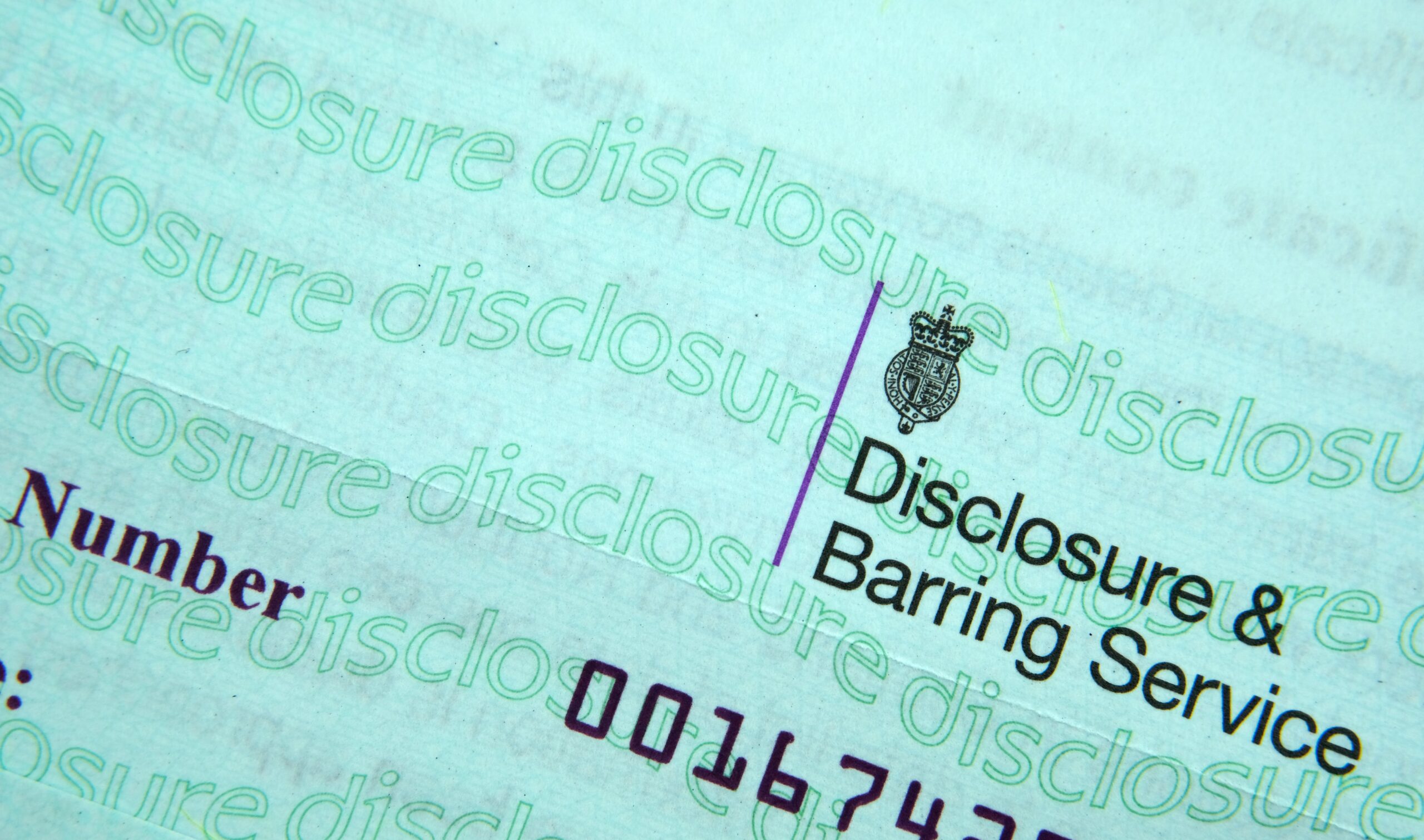
A standard DBS check is a criminal record check carried out by the Disclosure and Barring Service (DBS). It reveals any unspent or spent convictions, cautions, reprimands, or warnings held on an individual’s criminal record.
In the context of schools, contractors who regularly work on-site may need a standard DBS check to ensure they pose no risk to students or staff. While standard DBS checks don’t include information from the barred lists (like enhanced DBS checks do), they still provide essential insights to help schools make informed decisions.
Why Do School Contractors Need Standard DBS Checks?
School contractors often have unsupervised access to areas where children are present, making it critical to assess their background. Even though contractors might not interact directly with students, ensuring they meet safeguarding standards is part of a school’s legal and moral responsibility.
Examples of contractors who may require a standard DBS check include:
- Building and maintenance staff working during school hours.
- IT professionals providing on-site support.
- Catering teams employed by external providers.
Having a robust process for verifying contractors’ DBS status helps schools comply with safeguarding legislation and instils confidence in parents and staff.
Safeguarding Decision Framework for DBS Checks in Schools
Schools do not apply DBS checks to contractors as a one-size-fits-all rule. Instead, decisions are based on a safeguarding risk assessment that considers the type of work being carried out, the level of access required, and how often the contractor will be on site.
This framework helps ensure that safeguarding requirements are applied proportionately while still maintaining a safe environment for students and staff.
1. Level of Contact with Children
The most important factor is whether the contractor will have contact with children.
- No contact or indirect contact (e.g. deliveries, external maintenance): may require basic DBS or site supervision
- Supervised contact (e.g. maintenance in school hours): typically requires at least a standard DBS
- Unsupervised or regular contact: usually requires an enhanced DBS check
The greater the level of interaction with students, the higher the level of DBS clearance required.
2. Access to School Areas
Schools also consider where the contractor will be working on site:
- External or restricted areas only: lower DBS requirements
- General school premises access: standard DBS may be required
- Classrooms, pupil areas, or sensitive spaces: enhanced DBS is typically required
This ensures access is aligned with safeguarding risk levels.
3. Frequency and Duration of Visits
The regularity of contractor visits also affects DBS requirements:
- One-off or short-term visits: may be managed with basic checks and supervision
- Occasional visits: standard DBS often applied
- Regular or long-term contractors: enhanced DBS typically required
Frequent presence increases exposure and therefore increases safeguarding requirements.
4. Level of Supervision Available
Whether a contractor is supervised at all times is a key factor:
- Fully supervised at all times: may reduce DBS level required
- Partial supervision: standard DBS typically required
- Unsupervised access: enhanced DBS required in most cases
Schools must ensure supervision arrangements are realistic and consistently maintained.
5. Organisational Safeguarding Policy
Finally, each school or trust will have its own safeguarding policy that may set stricter requirements than national guidance.
These policies ensure consistency across all sites and often define:
- Minimum DBS levels for different contractor roles
- Approval processes before site access
- How contractor information is recorded and reviewed
Many organisations now centralise this information digitally to ensure accuracy and compliance across all locations.
Challenges Schools Face in Managing Contractor DBS Checks
Managing contractor DBS checks can be challenging for schools, especially when juggling multiple contractors and tight schedules. Common issues include:
- Verifying the authenticity and status of DBS certificates.
- Tracking expiration dates and knowing when renewals are required.
- Handling large volumes of contractors during projects like renovations or upgrades.
These challenges underline the importance of having an organised, reliable system for managing DBS checks efficiently.
How a DBS Checker Tool Can Help
Using a digital DBS checker tool – like InVentry’s solution – simplifies the process of managing contractor DBS checks. Here’s how:
1. Centralised Record-Keeping
With a DBS checker, schools can store and access contractor DBS information in one secure location. This reduces the risk of misplacing documents and ensures compliance with data protection regulations.
2. Real-Time Status Updates
A DBS checker tool integrates with the official DBS update service, allowing schools to instantly verify the status of a contractor’s certificate. This eliminates delays and provides up-to-date safeguarding information.
3. Automated Expiry Reminders
Contractor DBS certificates don’t last forever. A DBS checker tool sends automated alerts when renewals are due, helping schools stay compliant without additional administrative burden.
4. Enhanced Contractor Sign-In Process
InVentry’s DBS Checker integrates seamlessly with visitor management systems, streamlining the sign-in process for contractors. By verifying their DBS status at sign-in, schools can quickly identify whether an individual is cleared to be on-site.
Steps Schools Can Take to Ensure Compliance
To effectively manage contractor DBS checks, schools should:
- Develop Clear Policies: Outline which contractors need a standard DBS check and include this in tender documents or contracts.
- Use a DBS Checker Tool: Streamline processes and reduce admin time by implementing a digital solution.
- Train Staff: Ensure staff responsible for contractor management understand how to use tools like InVentry’s DBS Checker effectively.
- Encourage the Update Service: Ask contractors to subscribe to the DBS update service, allowing for continuous monitoring of their certificates.
Linking Safeguarding with Technology
Investing in tools like a DBS checker doesn’t just save time – it actively supports a school’s safeguarding objectives. By using digital solutions, schools can enhance their ability to monitor contractor compliance while reducing manual errors. For more information about how a DBS checker can transform your safeguarding processes, visit InVentry’s DBS Checker page.
Managing standard DBS checks for school contractors is essential for maintaining a safe learning environment. While the process can be complex, using a DBS checker tool simplifies compliance and ensures that safeguarding standards are met efficiently.
If you’re looking for a solution to streamline your school’s DBS check process, InVentry offers industry-leading tools designed with education settings in mind. Contact our team today to discuss how our DBS Checker software can meet your needs whilst helping you ensure the security of your school setting.
FAQs – DBS Checks and School Contractors
Who is responsible for arranging DBS checks for school contractors?
In most cases, the school or organisation hiring the contractor is responsible for ensuring the appropriate DBS check is completed before the contractor is granted unsupervised access to site. This is usually managed by the school’s safeguarding or HR team.
Do all contractors working in schools need a DBS check?
Not all contractors require a DBS check. The requirement depends on the level of access they will have, how often they are on site, and whether they will be supervised. Contractors with regular or unsupervised access to children are more likely to require an enhanced DBS check.
Can contractors start work before their DBS check is complete?
Schools may allow contractors to start work before a DBS check is fully processed, but only if appropriate safeguarding measures are in place, such as full supervision and restricted site access. This is determined by the school’s safeguarding policy and risk assessment.
What happens if a contractor fails a DBS check?
If a DBS check reveals information that raises safeguarding concerns, the school may decide to withdraw access, restrict duties, or prevent the contractor from working on site. Decisions are made based on safeguarding policies and risk assessments.
How often should DBS checks be updated for contractors?
DBS certificates do not have an official expiry date, but many schools require periodic updates or re-checks for contractors, especially those who attend frequently or work across multiple sites.
What level of DBS check do most school contractors need?
The level of DBS check depends on the role. Contractors with no unsupervised access may only require a basic DBS, while those working regularly in school environments or around children typically require a standard or enhanced DBS check.
How do schools keep track of contractor DBS compliance?
Many schools record DBS status as part of their safeguarding and visitor management processes. Increasingly, digital systems are used to store and track contractor clearance, ensuring that only approved individuals are granted access to site.
Is a DBS check enough to allow access to a school site?
No. A DBS check is only one part of safeguarding. Schools also consider supervision arrangements, access levels, identity verification, and sign-in procedures before granting full access to site.